about
about优质团队 为您提供钻石品质产品
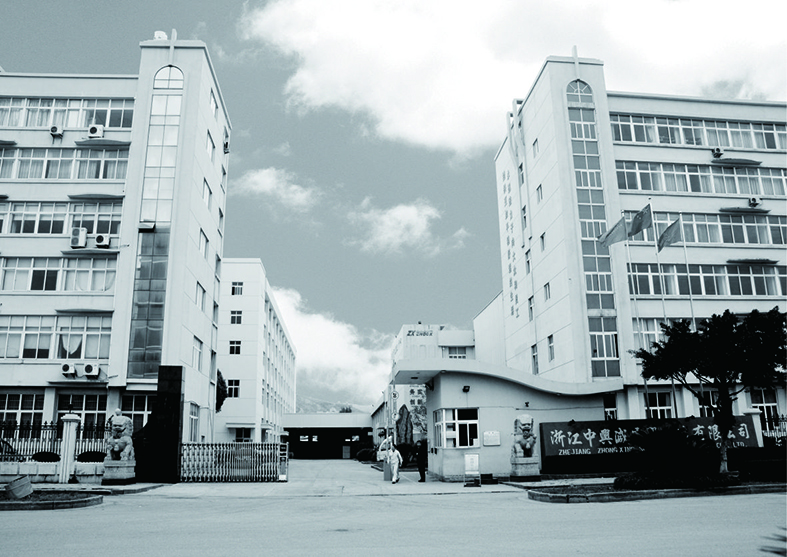
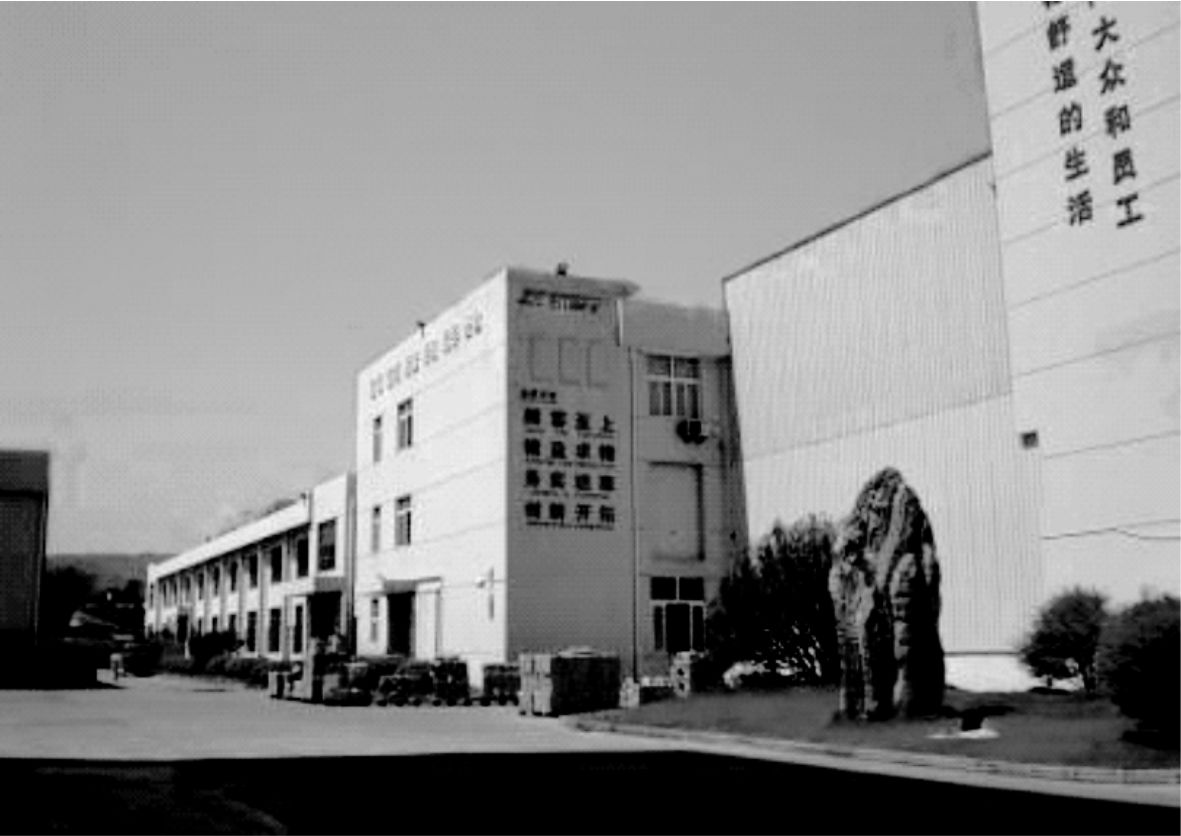
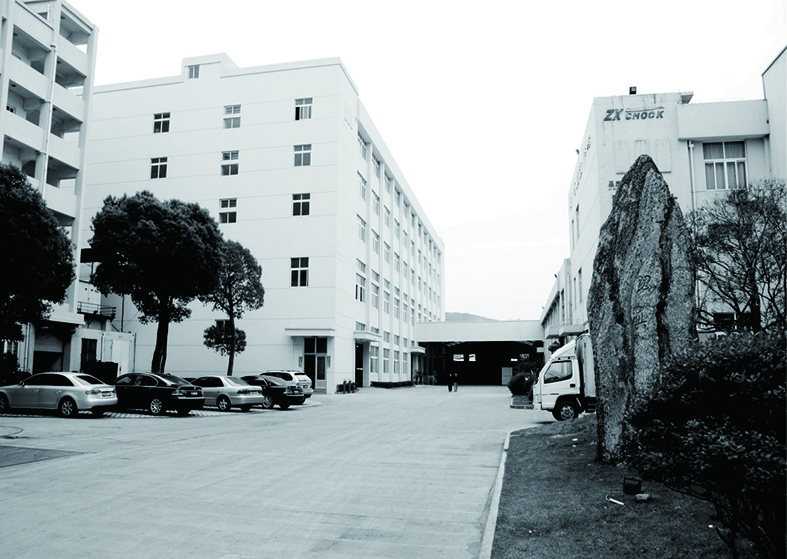
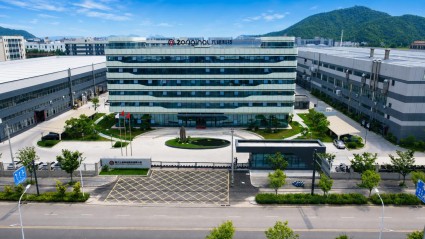
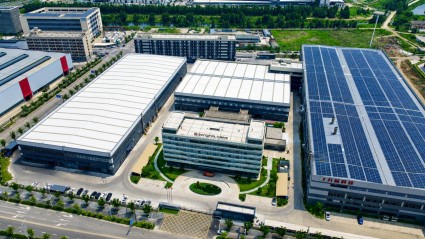
Inheritance: The company's predecessor, Zhejiang Zhongxing Shock Absorber Manufacturing Co., Ltd., was established in 1988 and has been deeply involved in the research and development of automotive shock absorbers for over 30 years. From 2015 to 2018, the company collaborated with Professor Fu Maohai (winner of the Second Prize of the International Science and Technology Progress Award) from the Locomotive and Rolling Stock Research Institute of Southwest Jiaotong University to establish a special project team for rail transit shock absorbers, focusing on the research and development of hydraulic shock absorbers for multiple unit trains. At the end of the same year, the company jointly established Zhejiang Jiuju Technology Co., Ltd. with Professor Fu Maohai.
Development: From 2019 to 2022, the company obtained certifications from the China Academy of Railway Sciences and relevant qualified entities, and became a first-tier supplier to ZF, the world's largest automotive parts group (one of the world's top three suppliers of railway shock absorbers). The average sales growth rate exceeded 100%. At the same time, the company increased its R&D investment and completed stability tests and road tests for high-speed trains.
Breakthrough: Since 2023, in collaboration with CRRC Changchun Railway Vehicles Co., Ltd., we have developed an anti-roll damper for the CR450 new frame - built-in bogie structure. We innovatively combined the primary vertical damper and anti-roll device originally used on high-speed railways, reducing the occupied space by over 30% and optimizing the weight by 40%. Meanwhile, in partnership with Shenzhen Metro, we adopted our company's self-designed oil-leakage-free improved anti-lateral force structure, which has made the vehicles that have been in operation for many years more stable in terms of uplift and sinking, reducing the amplitude of shaking by 30%. This has successfully alleviated the significant vibration and energy efficiency decline issues caused by the subsidence of the coastal metro foundation during vehicle operation.